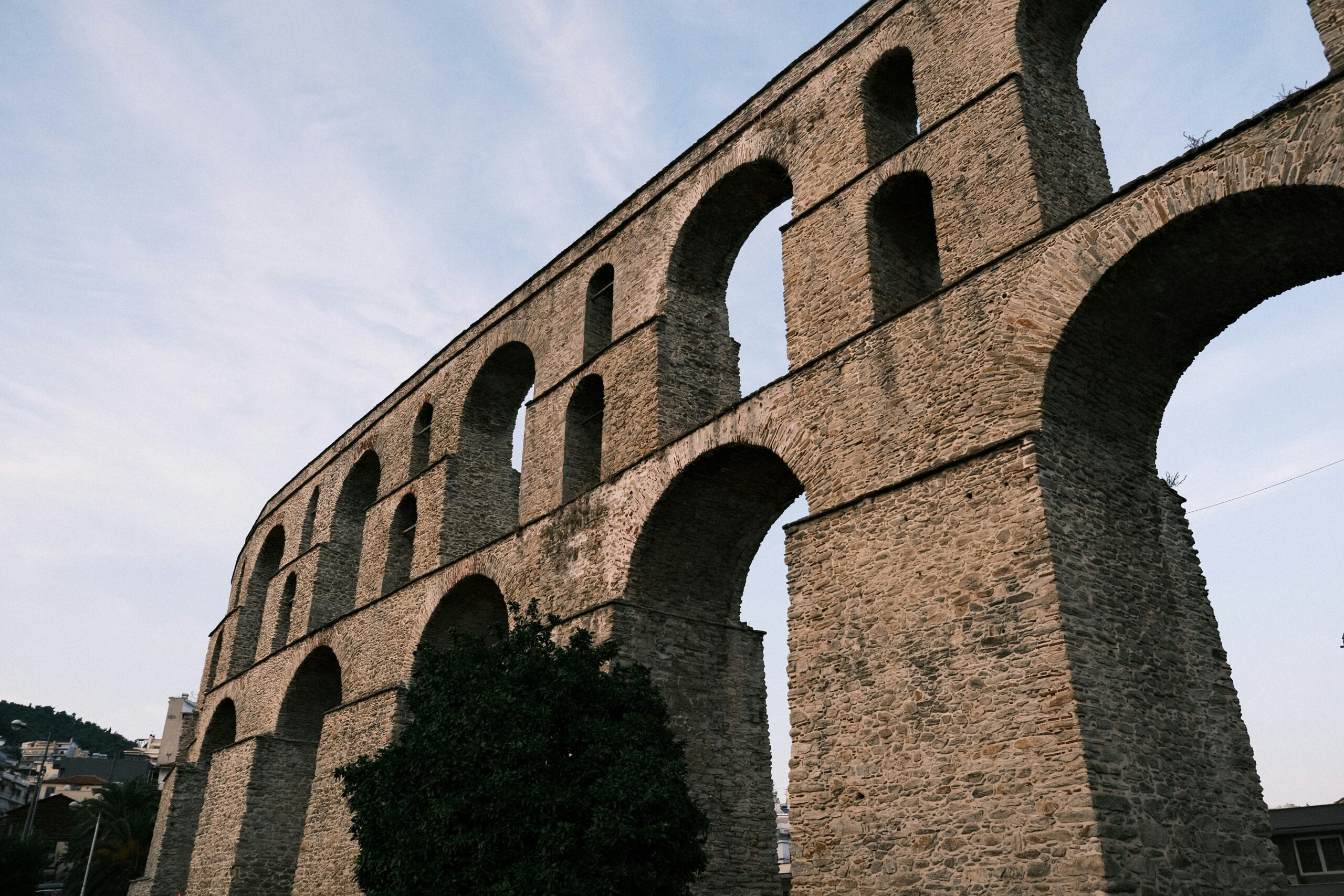
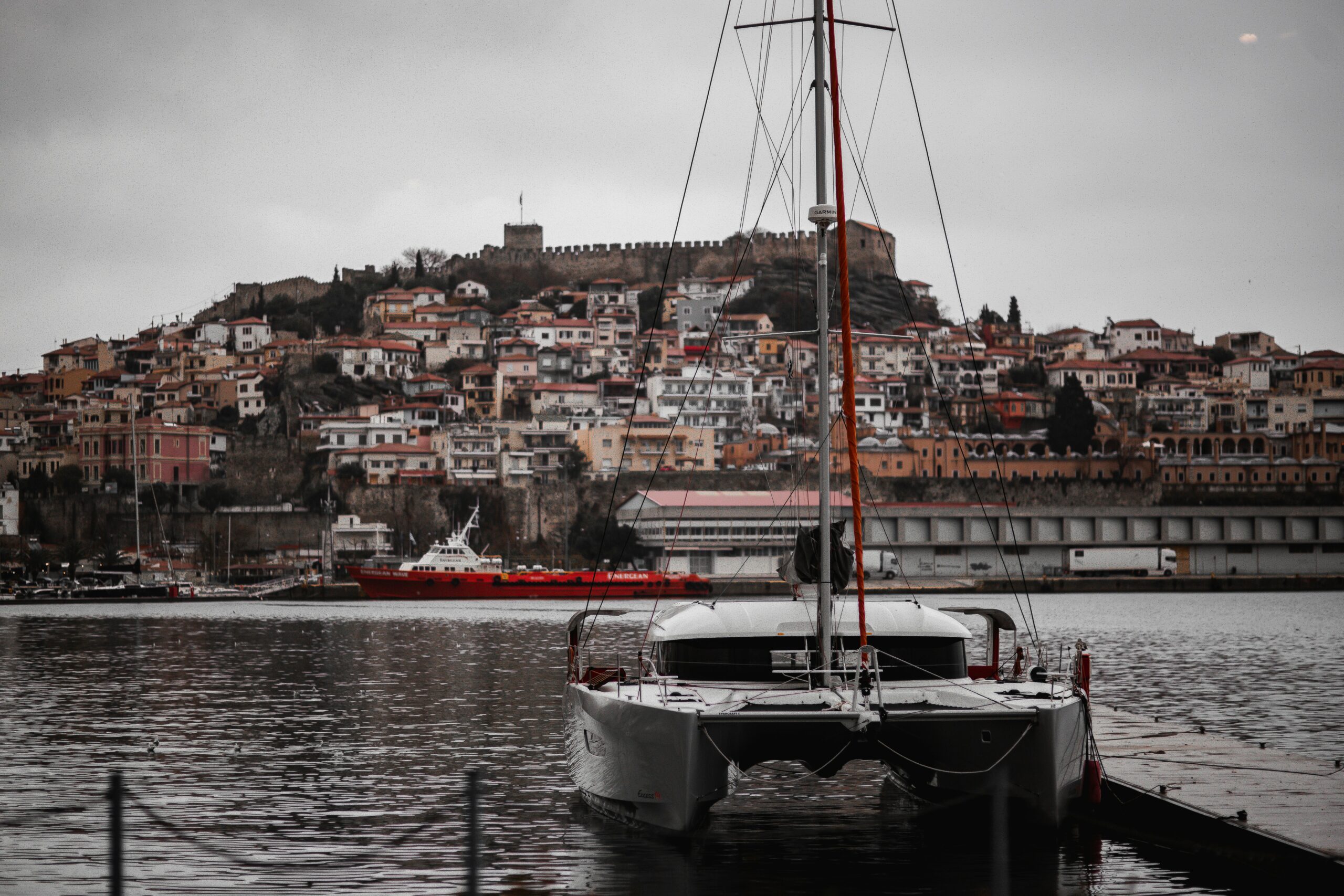
The Castle of Kavala, also known as the Fortress of Kavala, is one of the most important historical monuments of the city. It is located at the top of the old town (Panagia) and offers stunning views of the Aegean Sea and the city of Kavala.
History of the Castle
– Byzantine Period: The castle was built in the 15th century on top of older fortifications, which probably date back to the Byzantine and ancient eras.
– Ottoman Period: The Ottomans rebuilt and strengthened it, giving it its current form.
– Modern Era: Today, the castle is a tourist attraction and is used for cultural events.
What You Can See at the Castle
Central Tower: You can climb to the top and enjoy the panoramic view.
– Warehouses and tanks: Spaces used for storing food and water.
– Theater: Inside, there is a small open theater where events are held in the summer.
– Fortification Walls: Excellently preserved and a typical example of medieval architecture.
Here’s everything you need to know about the Castle of Kavala as a visitor:
📍 Location & Access
- The castle is located in Panagia, the old town of Kavala.
- You can reach it on foot from the city center (walking through the charming narrow streets) or by car (parking is available near the entrance).
🕒 Opening Hours
- The visiting hours vary depending on the season, but they are usually:
- Summer: 08:00 – 20:00
- Winter: 08:30 – 17:00
- It’s a good idea to check the exact schedule before your visit, as changes may occur.
💰 Ticket Prices
- Entrance is affordable, around €2-4.
- There are discounts for students, children, and seniors (65+).
🔍 What to See Inside the Castle
✅ The Central Tower: Climb to the top for the best panoramic view of Kavala!
✅ The Fortification Walls: Well-preserved medieval architecture.
✅ The Cistern & Storage Rooms: Used for storing food and water during sieges.
✅ The Small Open-Air Theater: Hosts concerts and cultural events in the summer.
🎭 Events & Activities
- During summer, the castle hosts theatrical performances, concerts, and cultural events.
- If you visit during that time, it’s worth checking if there’s an event you’d like to attend!
📌 Tips for Your Visit
✔ Wear comfortable shoes: There are stairs and cobblestone paths.
✔ Bring water & a hat in summer: The sun can be quite strong during the day.
✔ Have a camera or a good smartphone: The views are stunning, and you’ll want to capture them!